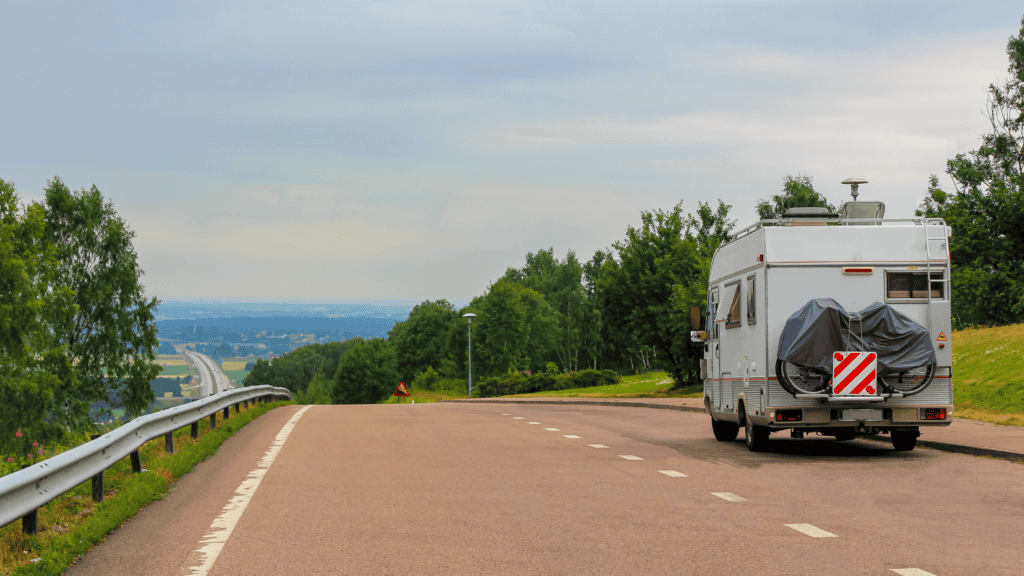
Summer in Tulsa is a time of vibrant energy, long sunny days, and the irresistible call of the open road. For RV owners, it’s the peak season for adventure, a time to create lasting memories at Oklahoma’s beautiful lakes and state parks. However, there are times even during the summer when your RV needs to be stored, whether for a few weeks between trips or for a longer duration. While winter storage gets a lot of attention, the intense Oklahoma summer presents its own formidable set of challenges. The sweltering heat, relentless sun, and high humidity can inflict serious damage on your cherished investment if it’s not properly protected.
This comprehensive guide is specifically designed for Tulsa-area RV owners to navigate the unique demands of summer storage. We will explore the harsh realities of Tulsa’s summer climate and its impact on your vehicle. A major focus will be on one of the most common and costly forms of summer damage: tire cracking. We will delve into the science behind why heat and UV radiation are silent destroyers of your RV’s tires and how to prevent it. Furthermore, we will provide a step-by-step preparation checklist to safeguard your entire vehicle, from its exterior finish to its interior appliances. By following these expert recommendations, you can ensure your RV remains in peak condition, ready to roll the moment your next adventure calls.
Understanding Tulsa’s Summer: A Climate of Extremes
Summer in Tulsa is not for the faint of heart, and the same is true for your RV. The climate is defined by intense heat and powerful sun exposure. According to the National Weather Service, Tulsa sizzles with an average of 74 days at or above 90°F annually, with temperatures frequently soaring into the triple digits . The sun beats down with an average of 66-74% of possible sunshine during the summer months, bathing the area in strong ultraviolet (UV) radiation . This combination of extreme heat and UV exposure creates a hostile environment for a stored RV. The interior of an unprotected RV can become a veritable oven, with temperatures reaching up to 30 degrees higher than the outside air, potentially damaging sensitive electronics, warping interior surfaces, and causing seals to fail .
However, one of the most vulnerable parts of your RV is its tires. The rubber compounds are under constant attack from two primary sources: heat and UV radiation. This relentless assault is the primary cause of premature tire cracking, a dangerous condition that can lead to catastrophic blowouts on the highway. Understanding the severity of Tulsa’s summer climate is the first step in appreciating the critical importance of proper storage and protection.
The Silent Tire Killer: How Tulsa’s Sun Destroys Your RV Tires
Your RV’s tires may seem robust, but they are susceptible to a process called ‘thermo-oxidative degradation’—a technical term for damage caused by heat and oxygen. The intense Oklahoma sun accelerates this process in two significant ways:
1.UV Radiation: The sun’s powerful UV rays are the primary culprit behind tire cracking. These invisible rays penetrate the rubber and break down the polymer chains at a molecular level. This process depletes the protective waxes and oils that are blended into the tire’s rubber compound to keep it flexible. Studies have shown that unprotected tires can lose up to 40% of their elasticity in just a couple of years, and sidewall cracking appears three times faster when tires are exposed to direct sunlight .
2.Extreme Heat: The high temperatures common in a Tulsa summer compound the problem. Heat causes the rubber to expand and contract, and it accelerates the rate of oxidation, making the rubber hard and brittle. When a tire is parked on hot asphalt, the temperature of the rubber can climb to well over 120°F, leading to severe cracking over time .
Without protection, the sidewalls of your tires will begin to show small cracks, a condition known as ‘weather checking’ or ‘ozone cracking.’ While these may seem cosmetic at first, they are a clear sign that the structural integrity of the tire is compromised. These cracks can deepen over time, eventually leading to a sudden and dangerous tire failure on the road. Protecting your tires from the sun is not just about aesthetics; it’s a critical safety measure.
The Ultimate RV Summer Storage Checklist
Preparing your RV for summer storage involves protecting it from the inside out. This checklist will guide you through the essential steps to shield your vehicle from Tulsa’s intense summer conditions.
Exterior Protection
1.Wash and Wax: A thorough wash removes dirt, bird droppings, and road grime that can bake into your finish under the hot sun. Applying a high-quality wax provides a crucial protective barrier against UV radiation, helping to prevent paint fade and oxidation.
2.Cover Your Tires: This is the single most important step to prevent tire cracking. Use high-quality, UV-resistant tire covers that completely shield the rubber from the sun. This simple act can extend the life of your tires by several years .
3.Consider an RV Cover: If you are using uncovered outdoor storage, a breathable, light-colored RV cover is your best defense. It protects not only the paint and tires but also the roof seals, window seals, and plastic components from UV degradation.
4.Inspect Seals and Seams: The intense heat can cause sealants to dry out, shrink, and crack. Carefully inspect all seals around the roof, windows, and slide-outs, and re-apply sealant where needed to prevent water leaks during summer thunderstorms.
Interior Protection
1.Clean and Remove Perishables: Clean the interior thoroughly to prevent mold growth in the humid summer air. Remove all food, drinks, and anything else that could spoil or attract pests.
2.Block the Sun: Close all blinds and curtains to block sunlight. For maximum protection, place reflective sunshades, like Reflectix, in all windows. This will significantly reduce the interior temperature and protect your upholstery, cabinets, and dashboards from fading and cracking .
3.Ensure Ventilation: To prevent heat from building up to extreme levels and to combat humidity, it’s vital to have some airflow. Open one or two roof vents and use vent covers to keep rain out. This allows hot air to escape and helps prevent a musty smell from developing.
4.Manage Appliances: Empty and defrost the refrigerator and freezer, and leave the doors propped open to prevent mildew. Turn off the propane at the tanks.
5.Battery Care: Heat can shorten a battery’s life. If possible, disconnect your batteries and store them in a cooler location. If they must remain in the RV, ensure they are fully charged and disconnected to prevent slow discharge.
Choosing the Right Summer Storage in Tulsa
Where you store your RV is just as important as how you prepare it. In Tulsa, a facility that offers protection from the sun is paramount.
•Covered Outdoor Storage: This is an excellent choice for summer storage. The roof provides constant shade, dramatically reducing the impact of UV radiation and high temperatures on your RV’s exterior and tires.
•Enclosed Indoor Storage: This offers the ultimate protection. By keeping your RV out of the sun and elements entirely, you eliminate the risks of heat and UV damage. Climate-controlled units go a step further by managing humidity, providing the best possible environment for your investment.
While uncovered storage is the most economical, the long-term cost of sun damage to your tires, roof, and paint can far exceed the savings. Investing in covered or enclosed storage is a wise decision for any Tulsa RV owner.
Summer Storage Preparation Summary
| Category | Task | Details |
| Tires | Cover Tires | Use high-quality, UV-resistant covers to prevent cracking and extend tire life. |
| Exterior | Wash and Wax | Protects paint from UV damage and keeps the vehicle cooler. |
| Use RV Cover | Essential for uncovered storage to shield the entire vehicle from sun and heat. | |
| Inspect Seals | Check and repair all roof and window seals to prevent leaks. | |
| Interior | Block Sunlight | Use reflective sunshades in all windows to reduce interior heat and prevent fading. |
| Ensure Ventilation | Open roof vents (with covers) to allow hot air to escape and reduce humidity. | |
| Clean and Empty | Remove all food and perishables; clean the interior to prevent mold. | |
| Manage Appliances | Defrost and prop open the refrigerator; turn off propane. | |
| Battery Care | Disconnect and store in a cool place if possible. |
Frequently Asked Questions (FAQ)
1. Why are my RV tires cracking even though they have plenty of tread left?
Tire cracking is caused by age and environmental exposure, not mileage. The rubber compounds break down over time due to heat and UV radiation, a process that happens whether the RV is moving or parked. This is why tire covers are so crucial for RVs that are stored outdoors for long periods.
2. Is it safe to leave my roof vents open during summer storage in Tulsa?
Yes, it is highly recommended, but only if you have vent covers installed. Vent covers allow you to keep the vents open for air circulation even when it’s raining, preventing heat and humidity from building up inside your RV without the risk of water damage.
3. Will a car cover work for my RV?
No, you should use a cover specifically designed for an RV. RV covers are made from breathable materials that prevent moisture from being trapped, which can cause mold and mildew. They are also designed to accommodate the shape and height of an RV, including ladders and air conditioning units.
4. How hot can it get inside a stored RV in the summer?
On a sunny, 95-degree day in Tulsa, the interior temperature of a sealed RV can easily exceed 125°F. This extreme heat can damage electronics, warp wooden cabinets, and cause vinyl flooring and upholstery to degrade. Proper ventilation and window coverings are essential to mitigate this.
5. Besides the tires, what is the most important thing to protect from the summer sun?
Your RV’s roof is arguably the most critical component to protect. The roof bears the full brunt of the sun’s UV rays and heat, which can cause the roofing material to become brittle and crack. The sealants around vents, skylights, and air conditioners are also highly susceptible to UV damage. A failure in the roof or its seals can lead to major water damage.
References
[1] National Weather Service. “Tulsa Climatology.” NOAA, 3 Feb. 2026,
[2] Bryden, Alex. “11 Essential Tips On Storing an RV in Hot Weather.” Neighbor Blog, 29 Jan. 2024,
[3] “Do RV Tire Covers Work? 5-Year Protection Proof.” RVGUARD, 7 Aug. 2025,